
GUIDE • UPDATED MAR 2026
How Internal Links Build SEO Authority Across Your Whole Site
Mastering internal link architecture can significantly boost your site's SEO authority and enhance user experience.
RankFactory handles SEO content for businesses of all sizes. See how it works →
Understanding Internal Links
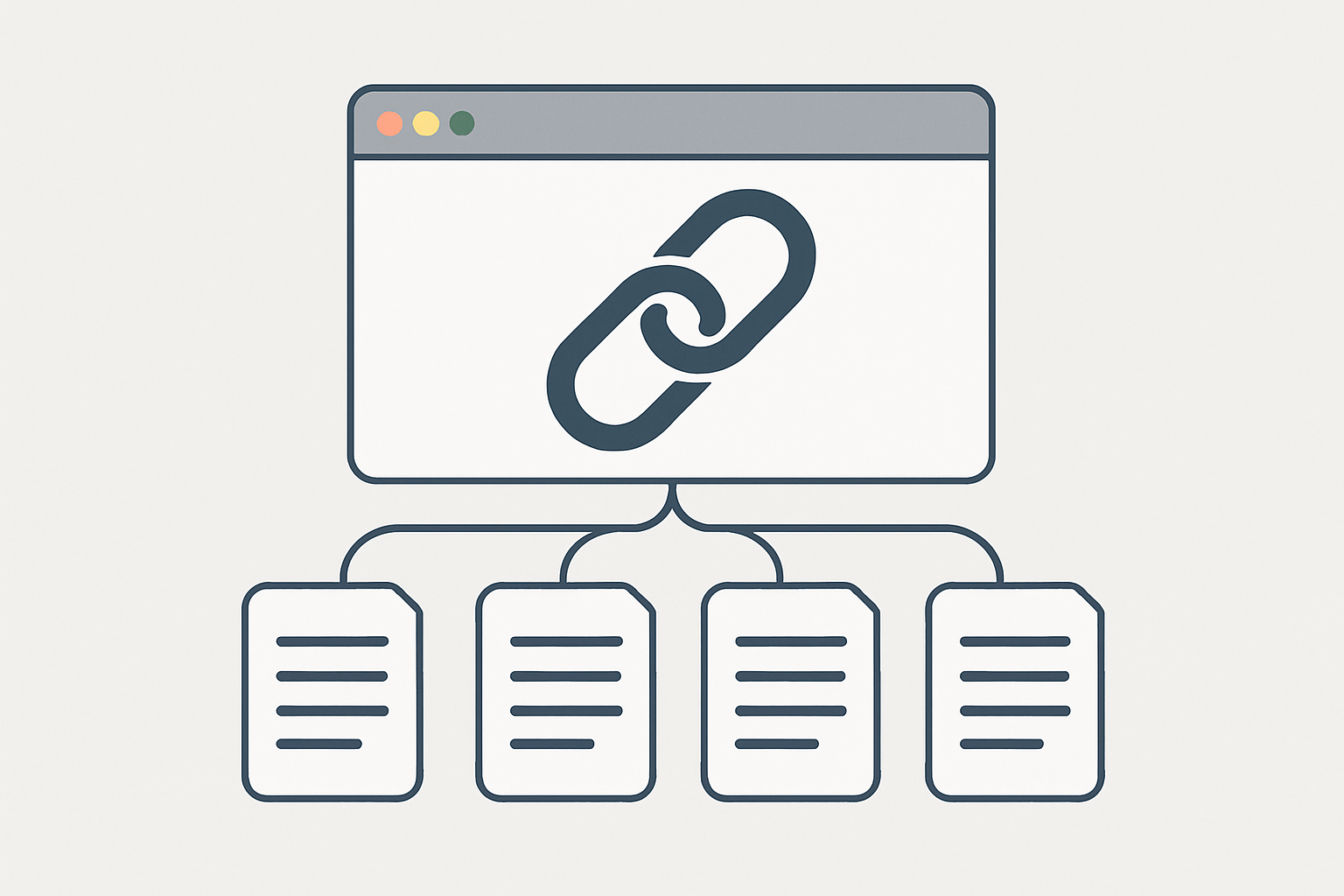
Internal links are hyperlinks that point to other pages within the same domain. These links are crucial for guiding both users and search engines through your website. By creating a robust internal linking structure, you can help search engines understand the hierarchy and relevance of your content.
For example, if you have a blog post about "SEO Best Practices" and you link to another post about "Keyword Research Techniques," you not only provide additional value to your readers but also signal to search engines that these topics are related. This relationship can enhance the authority of both pages.
The Importance of Link Architecture
Link architecture refers to how links are structured within your site. A well-planned link architecture can significantly impact your SEO efforts. Here’s why:
- Improved Crawlability: Search engines use bots to crawl your site. A clear internal linking structure helps these bots discover and index your pages more efficiently.
- Enhanced User Experience: Users can navigate your site easily when links are logically placed. This can lead to longer session durations and lower bounce rates, both of which are positive signals to search engines.
- Distributing Page Authority: Internal links help distribute page authority (or link juice) throughout your site. Pages that receive more internal links are often viewed as more important, which can improve their ranking potential.
For instance, if your homepage links to a product category page and that category page links to individual product pages, you’re creating a flow of authority from the homepage down to those specific products. This hierarchical structure is vital for SEO success.
Best Practices for Internal Linking
To maximise the benefits of your internal links, consider the following best practices:
- Use Descriptive Anchor Text: The text you use for your links should be descriptive and relevant to the content of the linked page. Avoid generic phrases like "click here." Instead, use phrases like "learn more about SEO strategies."
- Link to Relevant Content: Ensure that the pages you link to are contextually relevant. This not only helps with SEO but also enhances user engagement.
- Limit the Number of Links: While it’s important to link to various pages, too many links on a single page can dilute their effectiveness. Aim for a balanced approach.
- Regularly Update Links: As your site evolves, review and update your internal links to ensure they remain relevant and functional. Broken links can harm user experience and SEO.
- Utilise a Hierarchical Structure: Organise your content into categories and subcategories, linking from broader topics to more specific ones. This helps both users and search engines navigate your site effectively.
Implementing these practices can lead to a more cohesive site structure, ultimately improving your SEO authority.
Common Mistakes to Avoid
While internal linking is essential, many businesses make common mistakes that can hinder their SEO efforts. Here are a few to watch out for:
- Neglecting Older Content: Many site owners focus solely on new content, forgetting to link back to older posts. This can lead to valuable pages being overlooked by both users and search engines.
- Over-Optimisation: While using keywords in your anchor text is important, overdoing it can appear spammy. Aim for natural language that enhances the reading experience.
- Ignoring Analytics: Failing to track the performance of your internal links can lead to missed opportunities. Use analytics tools to evaluate which links are driving traffic and engagement.
- Creating Too Many Links: As mentioned earlier, too many internal links can dilute their effectiveness. Focus on quality over quantity.
Avoiding these pitfalls will help you create a more effective internal linking strategy that supports your overall SEO goals.
Frequently Asked Questions
How many internal links should I include on a page?
There’s no strict rule, but a good guideline is to include 3-5 relevant internal links per page. Focus on quality and relevance rather than quantity.
Can internal links impact my rankings?
Yes, internal links can significantly impact your rankings by distributing page authority and helping search engines understand your site structure. A well-structured internal linking strategy can enhance your overall SEO efforts.
Should I use the same anchor text for internal links?
Using varied anchor text is beneficial as it provides context and relevance for users and search engines. Repeating the same anchor text can appear spammy and may not provide a good user experience.
How often should I update my internal links?
Regularly review your internal links, especially when you add new content or update existing pages. Aim to check your links at least once every few months to ensure they are still relevant and functional.
Ready to put this into practice?
RankFactory handles topic research, writing, internal linking and publishing every month — so your site grows consistently without you managing it.
Work with RankFactory